In blockchain, where individuals hold custody of their own funds, they should also be in charge of their own security. OpenSentry puts audit-grade protection in users' hands, explaining risks in clear, plain language.
It aims not only to detect vulnerabilities, but also to surface protocol features that may be intentional yet still create meaningful user risk or hidden trust assumptions that users should understand before interacting with a protocol.
OpenSentry is a public good.
Free and open for everyone.
Enter a verified contract address to start the security analysis.
Every blockchain interaction asks users to trust contract behavior they usually cannot inspect. Existing protections often focus on known exploits, blacklists, or verified source code, but non-technical users also face risk from protocol design choices and hidden trust assumptions that may be intentional and still materially affect their funds.
A contract can avoid obvious implementation vulnerabilities and still expose users to uncapped fees, privileged upgrades, blocked withdrawals, or other dangerous behaviors that are part of the protocol design.
Users are rarely told who can change fees, upgrade logic, freeze flows, or remove exit paths. Those trust assumptions matter before signing, yet most wallet interfaces do not explain them in plain language.
OpenSentry ingests one or more contracts, compiles them through a Solidity facts extraction stage and passes compiler-backed evidence into downstream analysis agents.
Compiler-backed facts ground the analysis, specialized agents identify risks, and the findings are merged into a plain-language report.
Each agent asks a different core question and investigates a different source of user risk before the findings are merged into one report.
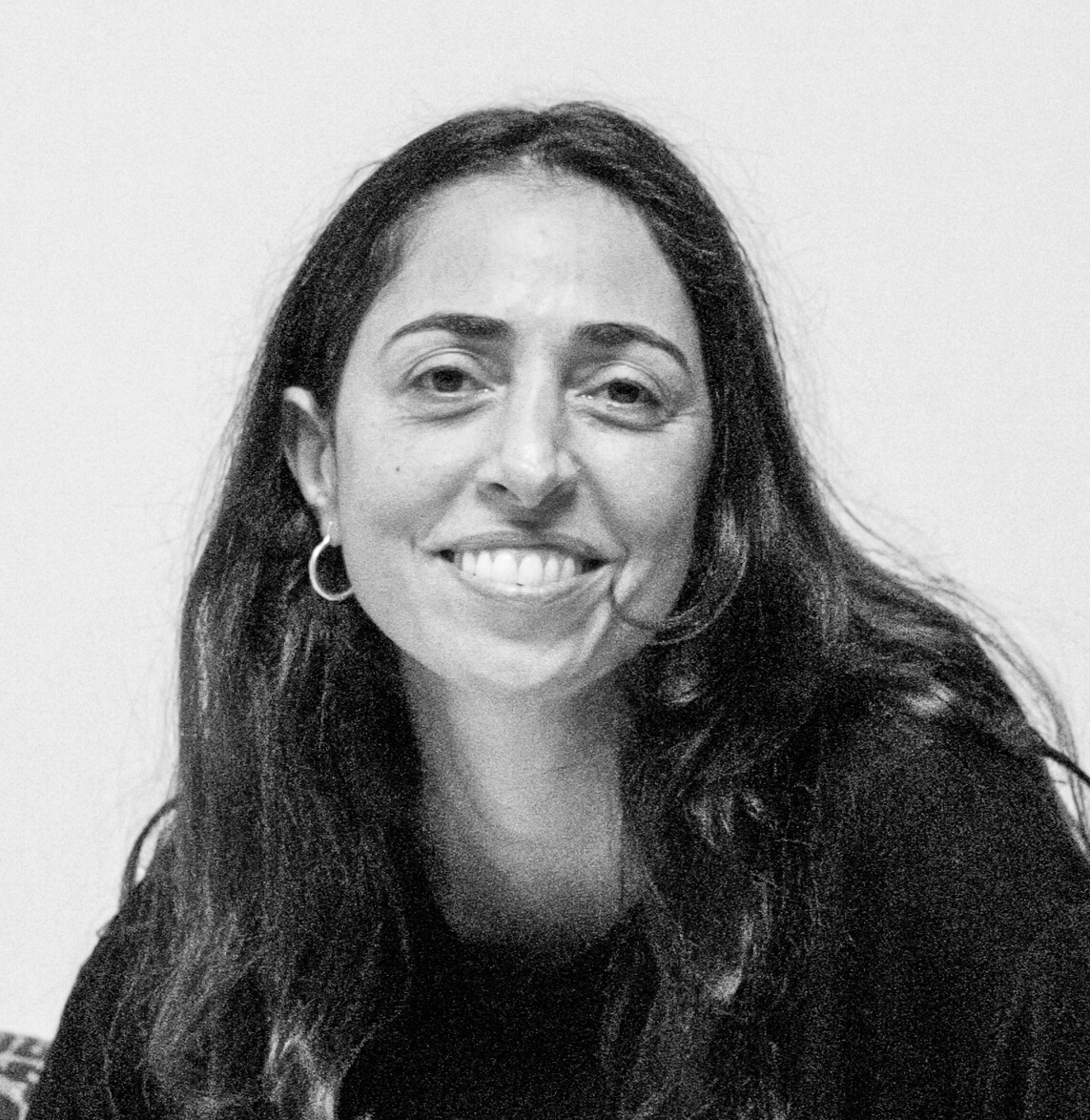
I am a blockchain developer and smart contract auditor working on security-critical systems. I review production contracts and analyze exploits for a living. I see firsthand how users are exposed to hidden risks that no wallet warns them about. OpenSentry is my answer to that gap.
My path to Web3 started through activism — a belief that decentralized systems can shift power to individuals. As I evolved into auditing, I realized the security expertise that protects protocols should be a public good, not a luxury.
Professional auditing is a long, intensive process that demands deep expertise — and not every project can afford it. I sometimes offer my services for free or near-free to projects I believe in, but that doesn't scale. OpenSentry is how I scale that protection to every user, for every protocol they interact with.
Have questions, feedback, or want to collaborate? Reach out directly.